

Skip to content

Pediatrics

Pediatrics
in Columbia Asia Hospital

There are many reasons why people bring their child to a pediatric clinic for care.

There are many reasons why people bring their child to a pediatric clinic for care.

Pediatric Care That Grows With Your Child

From runny noses and viral fevers to more serious conditions that need closer attention, every health concern can feel big when it involves your child, and that is exactly why our pediatric care at Columbia Asia Hospital – Binh Duong is designed to support your child’s health at every stage so they can keep discovering the world with confidence.  Our pediatricians combine clinical expertise with a warm, reassuring approach, helping parents feel informed and children feel safe and understood at each visit.

We look after a wide range of common childhood illnesses such as viral fevers, ear infections, hand, foot and mouth disease (HFMD), chickenpox, measles, roseola, and respiratory tract infections, with a strong focus on early recognition so treatment can begin quickly and gently.  For children with recurring issues like asthma, allergies, skin infections, or digestive problems, we provide ongoing follow‑up and personalized care plans to keep symptoms under control and your child feeling well, making every appointment as calm, child‑friendly, and reassuring as possible.

Preventive care is a key part of our philosophy, with a full range of childhood immunizations, including seasonal influenza vaccines, along with expert guidance on vaccination schedules, nutrition, growth, and healthy lifestyle habits.  When your child needs more specialized input, our pediatricians can seamlessly connect you with experienced colleagues in areas such as Dermatology, Ear, Nose and Throat (ENT), Orthopedics, Cardiology, Psychiatry, General Surgery, and Dentistry, ensuring coordinated, reliable care in one convenient location.

Our Services & Facilities

Our child specialists are experienced and highly trained to provide our young patients with comprehensive care. We have a committed team of specialists and pediatricians with subspecialty interests such as dermatology, ENT, orthopedics, cardiology, psychiatry, general surgery and dentistry.

Services & Facilities

Newborn Care

Routine postnatal check‑ups to assess your baby’s general health, feeding, weight gain, jaundice, and early development in the first days and weeks of life.
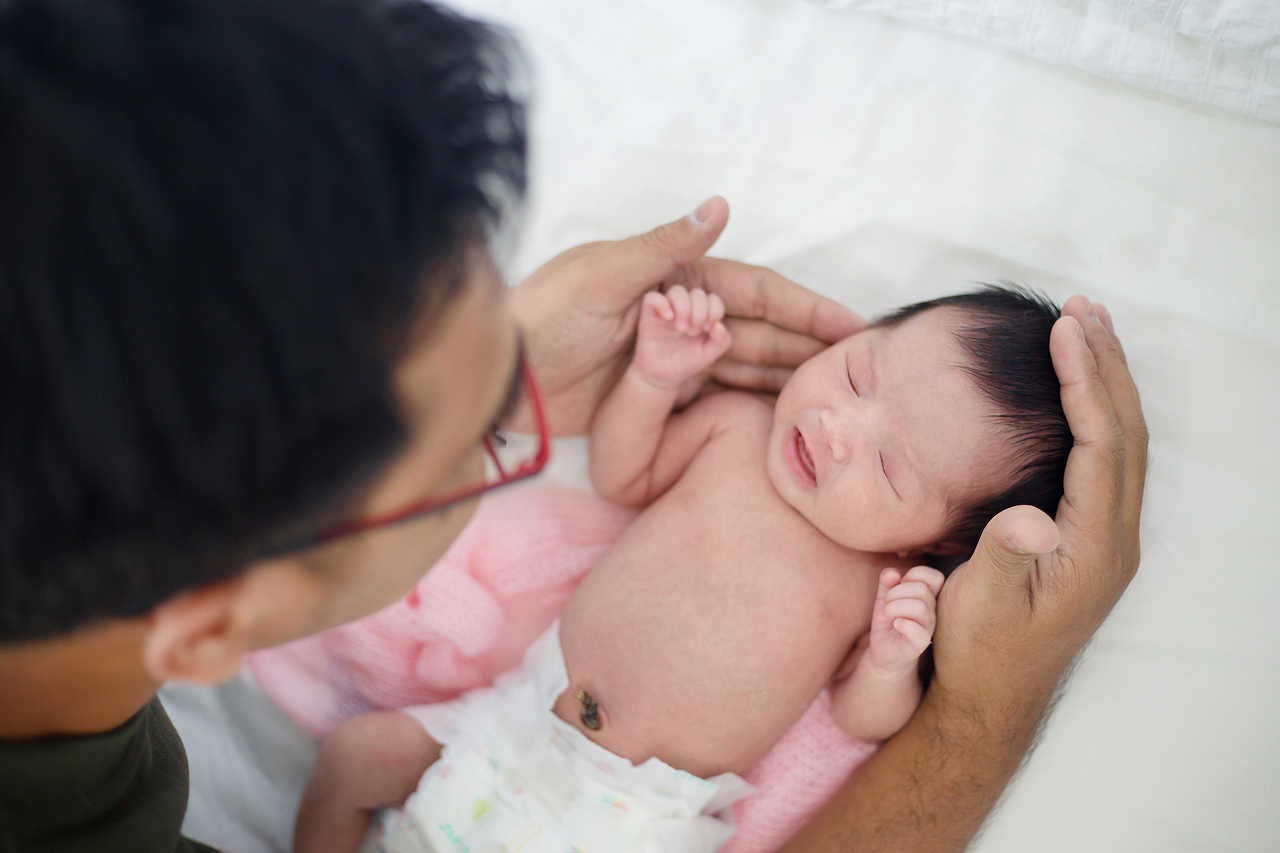
 

Special Care Nursery

Special Care Nursery to manage neonatal problems including neonatal jaundice, respiratory distress and other complex problems of the newborn.

Pediatric Clinics

Outpatient clinics for the assessment and treatment of acute illnesses, follow‑up of chronic conditions, growth and development checks, and parental counselling.

Emergency Services

Emergencies in older children such as bronchial asthma, diarrhea and & vomiting with dehydration, allergic reactions, and fits.

In-patient Services

Hospital admission facilities for children who need observation, intravenous treatment, surgery support, or longer‑term management of medical conditions.

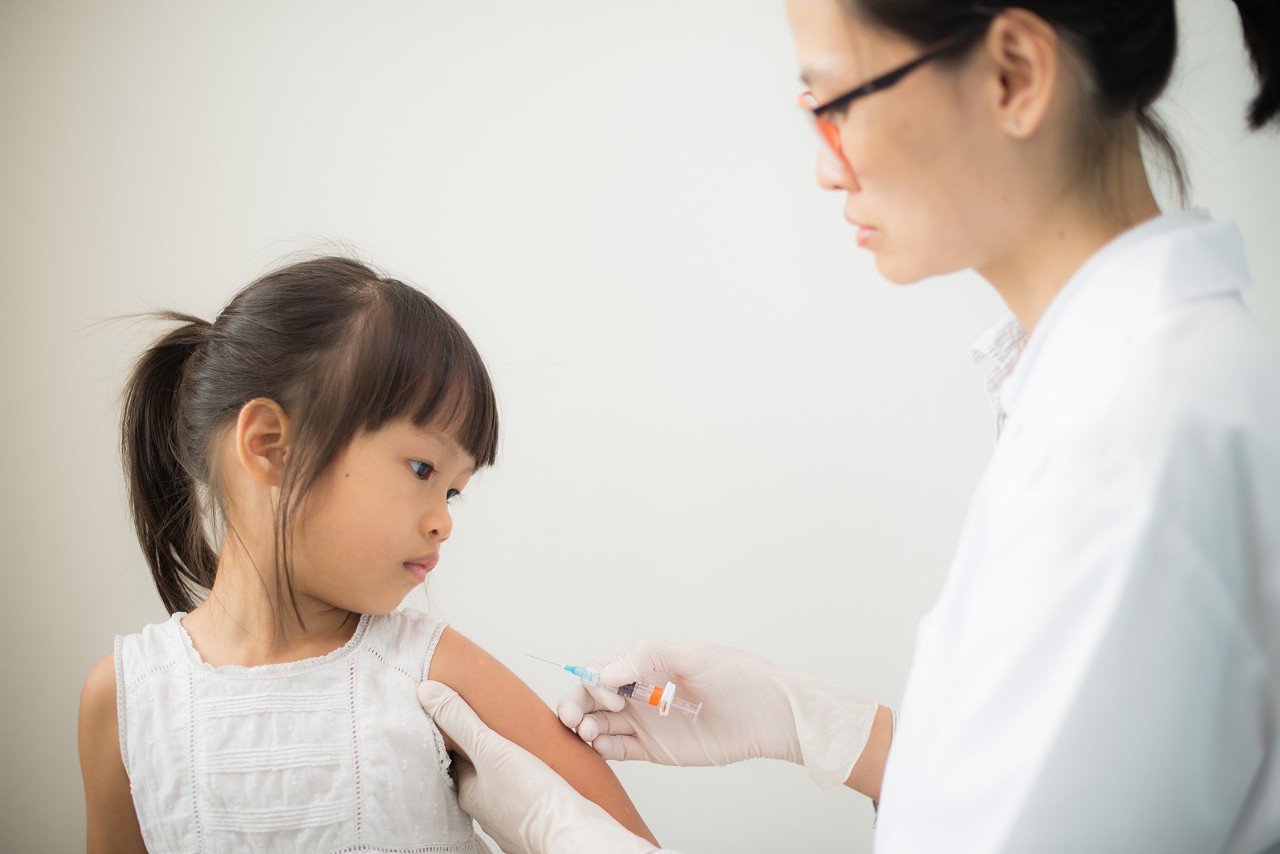
Vaccination

A full range of routine and optional childhood immunisations, along with advice on vaccine schedules and protection against common infectious diseases.
Child Psychology Disorder

Assessment and management of behavioural, developmental, and emotional disorders in children, including conditions such as Attention Deficit Hyperactivity Disorder (ADHD) and Autism Spectrum Disorder, with support for both children and their families.

Common Childhood Infections

Diagnosis and treatment of frequent infections such as respiratory tract infections, hand, foot and mouth disease, gastrointestinal infections, and common viral illnesses.
Allergies

Evaluation and management of allergy‑related conditions, including food allergies, drug allergies, skin allergies such as eczema or hives, and respiratory allergies that may affect the nose, eyes, or airways.

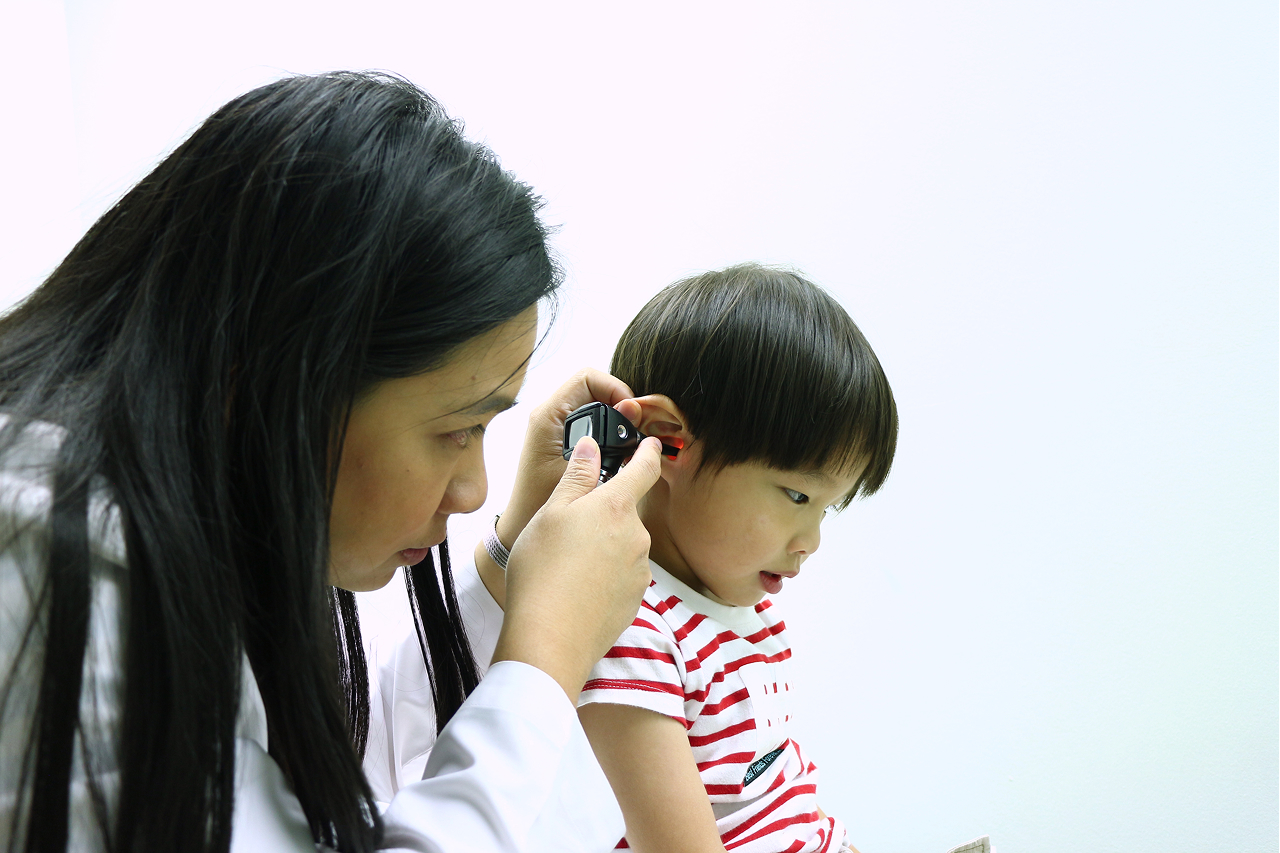
Pediatric ENT (Ears, Nose & Throat)

Care for ear, nose, and throat problems in children, including ear infections, enlarged tonsils and adenoids, sinus problems, snoring, and allergic rhinitis that causes sneezing, nasal congestion, and runny nose.

Audiology Test & Hearing Assessment

Hearing screening and detailed audiology assessments for babies and children with suspected hearing loss, speech delay, or recurrent ear disease.
Pediatric Cardio

Evaluation and follow‑up of heart‑related issues in children, such as heart murmurs, congenital heart defects, chest pain, palpitations, and other cardiovascular concerns.

When Should Your Child See a Pediatrician? ?​

Newborn Examinations

Regular Pediatrician Check-Up

Immunizations

Nutritional Advice

Common Childhood Health Problems

Make an Appointment

At Columbia Asia, we are determined to provide our patients with excellence in healthcare services.

Full Name(Required)
ID / Passport(Required)
DD slash MM slash YYYY
(Required)

Find Answers To Your Questions

Don’t have any questions? Feel free to schedule an appointment with our team.

How often should my newborn visit the pediatrician?

In the first year, your baby should see the pediatrician several times to monitor growth, development, feeding, and vaccinations. The first visit is usually within the first week of life (or earlier if there are concerns such as jaundice), then commonly around the main vaccine milestones following the Vietnam Ministry of Health schedule (for example at 2, 3, 4, 5, 6 months, and later visits such as 9 and 12 months), with the doctor adjusting the schedule based on your baby’s needs.

What does the Pediatrics Department at Columbia Asia Hospital – Binh Duong do?

The Pediatrics department provides medical care for infants, children, and adolescents, covering everything from routine check‑ups and vaccinations to diagnosis and treatment of common and complex childhood illnesses.​

When should I bring my child to see a pediatrician instead of waiting at home?

You should see a pediatrician if your child has a fever that lasts more than 2–3 days, is unusually sleepy or irritable, has trouble feeding, persistent vomiting or diarrhea, breathing difficulty, a spreading rash, or if you simply feel something “isn’t right.”​

How often should my child have a routine check‑up?

Babies and toddlers should be seen more frequently in the first years of life for growth and development checks, then at least once a year during preschool and school‑age years for physical exams, vision and hearing screening, and preventive counseling.​

Why are regular vaccinations so important for children?

Vaccinations protect children from serious diseases like measles, whooping cough, diphtheria, tetanus, polio, pneumonia, meningitis, Japanese encephalitis, and more recently dengue fever and other infections covered by newer vaccines. Keeping your child’s immunizations up to date greatly reduces the risk of hospitalization, long‑term complications, and community outbreaks, making vaccines one of the safest and most effective ways to protect their health.

How can I tell if a fever in my child is serious?

A fever becomes more concerning when your child is under 3 months old, has difficulty breathing, is very drowsy or hard to wake, has seizures, refuses to drink, or shows signs of dehydration, and in these cases you should seek medical attention promptly.​

What types of long‑term or recurring conditions can pediatricians help manage?

Pediatricians help manage chronic or recurring issues such as asthma, allergic rhinitis, eczema, recurrent infections, constipation, obesity, and some behavioral or developmental concerns, often working with other specialists when needed.​

How do pediatricians support my child’s growth and nutrition?

They monitor weight, height, and developmental milestones over time, offer tailored nutrition advice for breastfeeding, formula, weaning, picky eating, and balanced meals, and intervene early if there are signs of under‑ or overweight.​

Do Columbia Asia Hospital Binh Duong accept health insurance?

Yes. Columbia Asia is panel hospital for various insurance companies and third party administrators, both local and international. We provide the means for you to receive medical coverage, giving you peace of mind while you are under our care.

What can I do at home to help keep my child healthy between visits?

Focus on a balanced diet, good sleep routines, regular physical activity, handwashing habits, up‑to‑date vaccinations, and creating a safe environment at home, and contact your pediatrician early if you notice worrying changes in your child’s health or behavior.

Patient and Visitor Guide

Health Articles

View All

The Nearest Emergency Contact

Klang

Other emergency contacts

View now
Klang

Select Your Preferred Hospital