Skip to content

Ophthalmology

Ophthalmology
in Columbia Asia Hospital

Ophthalmology is the practice of medical and surgical care of the eyes and any issues related to vision

Ophthalmology is the practice of medical and surgical care of the eyes and any issues related to vision

The Ophthalmology Department at Columbia Asia Hospital Binh Duong offers comprehensive eye care services for patients of all ages. Our High-Tech Eye Center is a collaborative initiative between Columbia Asia Hospital and the 3P EYECARE specialist network, serving as a trusted destination not only for diagnosis and treatment but also for advanced eye surgery.

Equipped with state-of-the-art technology, our center features cutting-edge diagnostic imaging systems, modern ophthalmic microscopes, advanced refraction and fundus examination equipment, and an internationally accredited sterile operating theatre. A highlight is the compact yet highly efficient Phaco CV-9000R Cube Alpha surgical system, which incorporates both linear and torsional movements to ensure precise and safe cataract surgery.

Our team of experienced ophthalmologists, supported by advanced equipment and dedicated staff, provides patients with confident and compassionate care. The center offers a wide range of services, including comprehensive eye examinations, minor procedures for chalazion, stye, foreign body removal, pterygium surgery, phacoemulsification cataract surgery, glaucoma screening and management, and treatment for various eye diseases.

Our Services & Facilities

All treatments are performed by experienced ophthalmologists using modern diagnostic and surgical technology in a safe, sterile environment, ensuring patient comfort and high success outcomes. Our Hi-tech Eye Center provides services as follows:

Services & Facilities

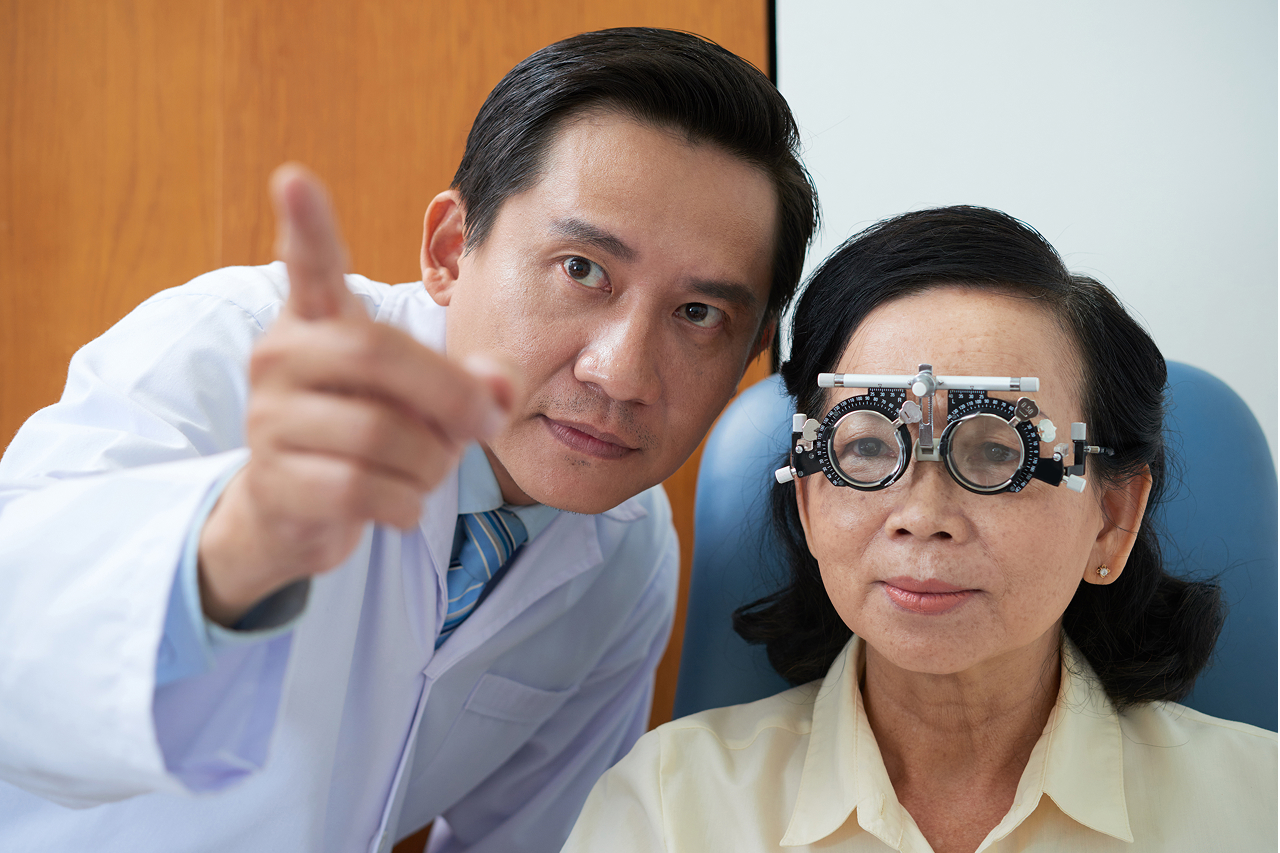
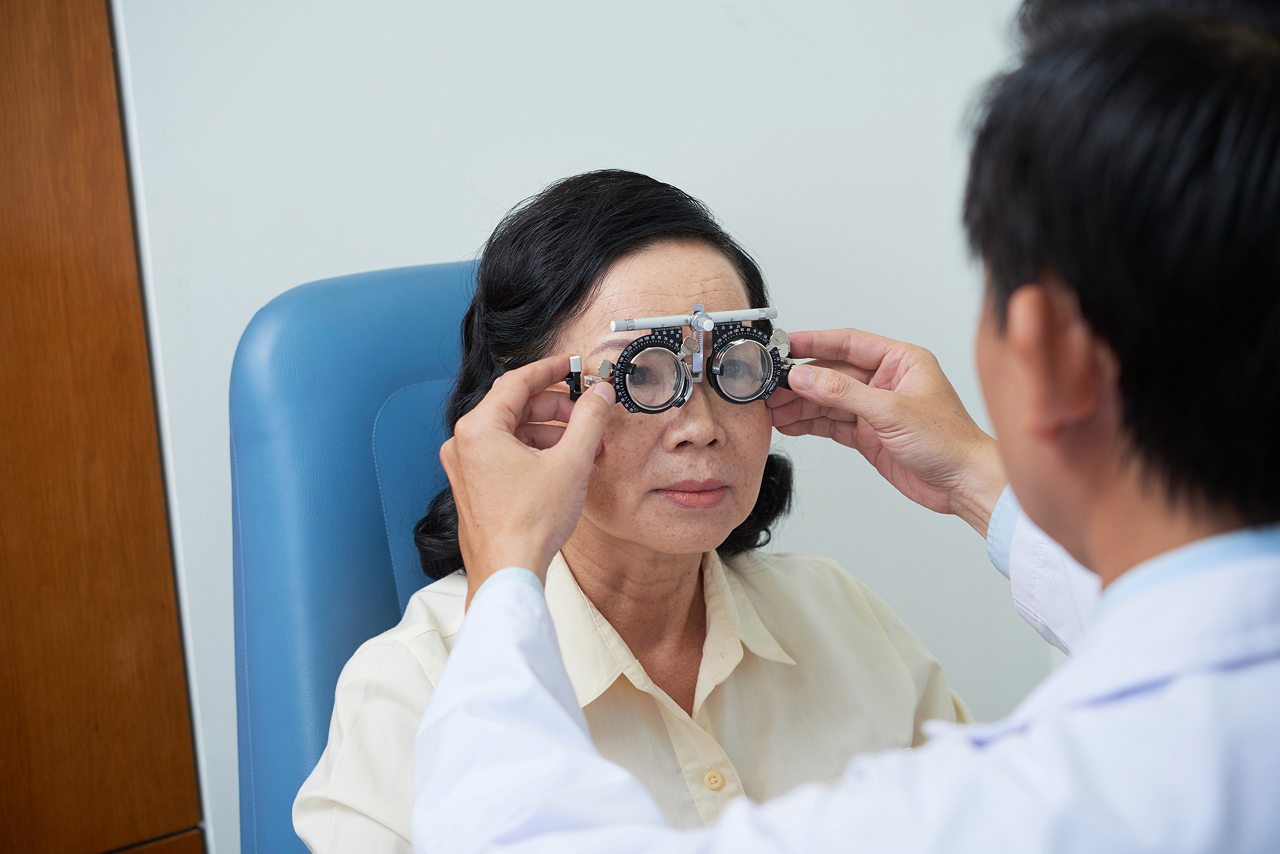
Comprehensive Eye Examinations

  • Routine and general eye check-ups for adults and children
  • Vision screening and refractive error assessment
Minor Procedures

  • Chalazion and stye removal
  • Foreign body extraction from the eye

Anterior Segment Surgery

  • Pterygium (flesh) excision
  • Phacoemulsification cataract surgery (Phaco) with premium equipment

Glaucoma Screening and Management

  • Intraocular pressure measurement
  • Early detection and monitoring of glaucoma
  • Medical or surgical glaucoma treatment

Medical and Surgical Treatment for Eye Diseases

  • Conjunctivitis, keratitis, blepharitis, and uveitis
  • Diagnosis and management of dry eye, strabismus (squint), and other common eye conditions
  • Diabetic retinopathy screening and treatment
  • Age-related macular degeneration (AMD) and retinal disorders, including retinal detachment
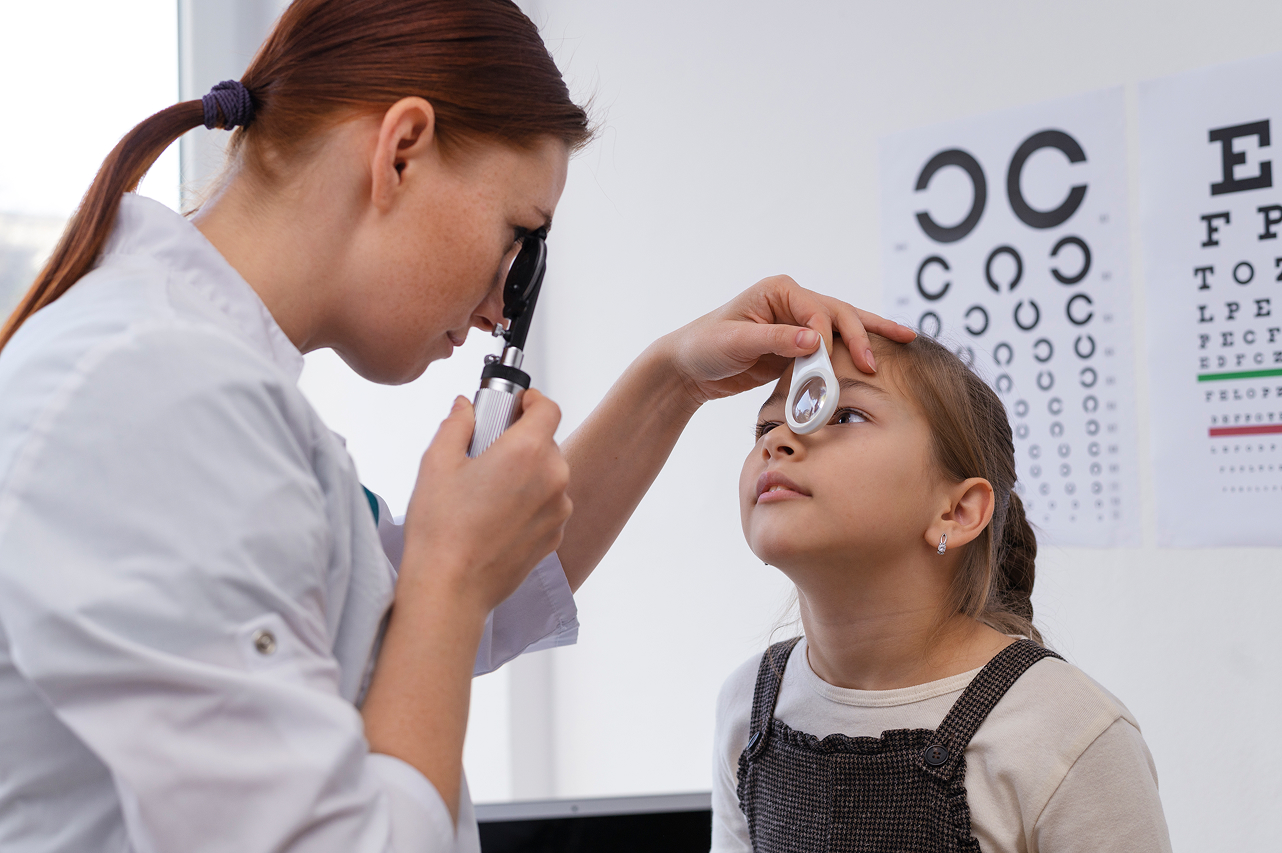
Comprehensive Pediatric Ophthalmology

  • Diagnosis and management of childhood eye disorders
What are the Warning Symptoms?​

Sudden or gradual vision loss or blurring

Eye pain with redness, swelling, or light sensitivity

Seeing flashes, floaters, or shadows in vision

Persistent redness, tearing, itching, or feeling of something in the eye

Double vision or sudden difficulty focusing

Make an Appointment

At Columbia Asia, we are determined to provide our patients with excellence in healthcare services.

Full Name(Required)
ID / Passport(Required)
DD slash MM slash YYYY
(Required)

Find Answers To Your Questions

Don’t have any questions? Feel free to schedule an appointment with our team.

How often should I have an eye examination?

Most adults are advised to have a comprehensive eye exam at least every year, and more often if they have diabetes, high blood pressure, a family history of eye disease or existing vision problems. Your ophthalmologist will recommend a personalised schedule based on your age, health and risk factors.

Does too much screen time harm my eyes?

Prolonged use of computers and digital devices can cause eye strain, dryness, headaches and blurred vision, often called digital eye strain. Regular breaks, blinking more often, proper lighting and keeping screens at a comfortable distance can help reduce these symptoms.

What is phacoemulsification (phaco) cataract surgery?

Phacoemulsification is a modern cataract surgery technique that uses ultrasound energy to break the cloudy natural lens into tiny pieces, which are then removed through a very small incision and replaced with a clear artificial intraocular lens. It is currently the most common method used worldwide for cataract treatment because it is minimally invasive and allows faster visual recovery.

Who should consider cataract (phaco) surgery?

Cataract surgery is usually recommended when lens clouding causes blurred vision, glare or difficulty with everyday activities such as reading, driving or recognising faces. Your ophthalmologist will consider your visual needs, other eye conditions and general health before advising whether it is the right time for surgery.

What are the different types of intraocular lenses (IOLs) available after cataract removal?

There are monofocal, multifocal, toric, and accommodative IOLs designed to correct different vision needs such as distance, near, astigmatism, or reducing dependence on glasses.

Can phaco surgery correct both cataracts and refractive errors at the same time?

Yes, by choosing the right IOL type, phaco surgery can address cataracts and simultaneously improve nearsightedness, farsightedness, or astigmatism, enhancing overall vision quality.

What can I do every day to protect my eyes?

Wearing UV‑blocking sunglasses outdoors, using protective eyewear for sports or hazardous work, not smoking and controlling chronic diseases like diabetes all help reduce the risk of vision loss. Eating a balanced diet rich in leafy greens and oily fish also supports long‑term eye health.

What are common eye conditions in children?

Children often experience conditions such as refractive errors (myopia, hyperopia, astigmatism), strabismus (eye misalignment), amblyopia (lazy eye), congenital cataracts, glaucoma, and eye infections like conjunctivitis.

What signs suggest my child may have a vision problem?

Warning signs include squinting, frequent eye rubbing, tilting the head, sitting very close to screens or books, poor concentration on near tasks, or complaints of headaches or blurry vision. Parents who notice these changes should book a paediatric eye assessment promptly.

When should my child have eye examinations?

Experts recommend eye screening in early childhood (around 3–5 years) and regular checks during school years, or earlier if parents or teachers notice problems. Early detection helps prevent long‑term issues such as amblyopia (lazy eye), squint or significant refractive errors.

Will wearing glasses or contact lenses affect my eye health?

Properly prescribed glasses and contact lenses improve vision and comfort; however, poor hygiene or improper use can lead to complications.

Does the center treat diabetic eye disease?

Yes, we offer screening, monitoring, and treatment services including laser therapy and injections to control diabetic retinopathy and prevent vision loss.

Patient and Visitor Guide

The Nearest Emergency Contact

Klang

Other emergency contacts

View now
Klang

Select Your Preferred Hospital