
Skip to content

Radiology

Radiology
in Columbia Asia Hospital

Leading-edge imaging, precise diagnostics, and expert radiologists for swift, accurate medical decisions.

Leading-edge imaging, precise diagnostics, and expert radiologists for swift, accurate medical decisions.

Accurate Diagnosis Through Advanced Imaging at Columbia Asia Hospital Binh Duong

Accurate diagnosis is the foundation of effective treatment, and at Columbia Asia Hospital Binh Duong, the Diagnostic Imaging Department plays a vital role in supporting doctors across all specialties with clear, reliable images and expert radiological interpretation. Equipped with modern imaging technology and staffed by experienced radiologists and skilled technicians trained to international standards, we deliver comprehensive diagnostic services that help clinicians make confident, timely decisions for your care.

From routine X-rays and ultrasound scans to advanced cross-sectional imaging with CT and MRI, our department covers a wide spectrum of diagnostic needs for patients of all ages, including specialized studies such as mammography, contrast examinations, Doppler ultrasound, and 3D/4D obstetric imaging. All procedures are carried out with strict attention to infection control, patient safety, and radiation protection, ensuring you receive the most accurate results in a comfortable and secure environment.

Whether you need a quick scan for an acute problem or detailed imaging for a complex condition, our Diagnostic Imaging team is committed to providing high-quality, patient-centered service that supports your journey to better health.

Our Services & Facilities

Radiology, a medical branch focused on imaging the body with or without radiation, aims to deliver high-quality diagnostic imaging in a safe and friendly setting. Our department collaborates with others to enhance diagnostic clarity, and our skilled radiologists operate diverse scanning machines proficiently.

Services & Facilities

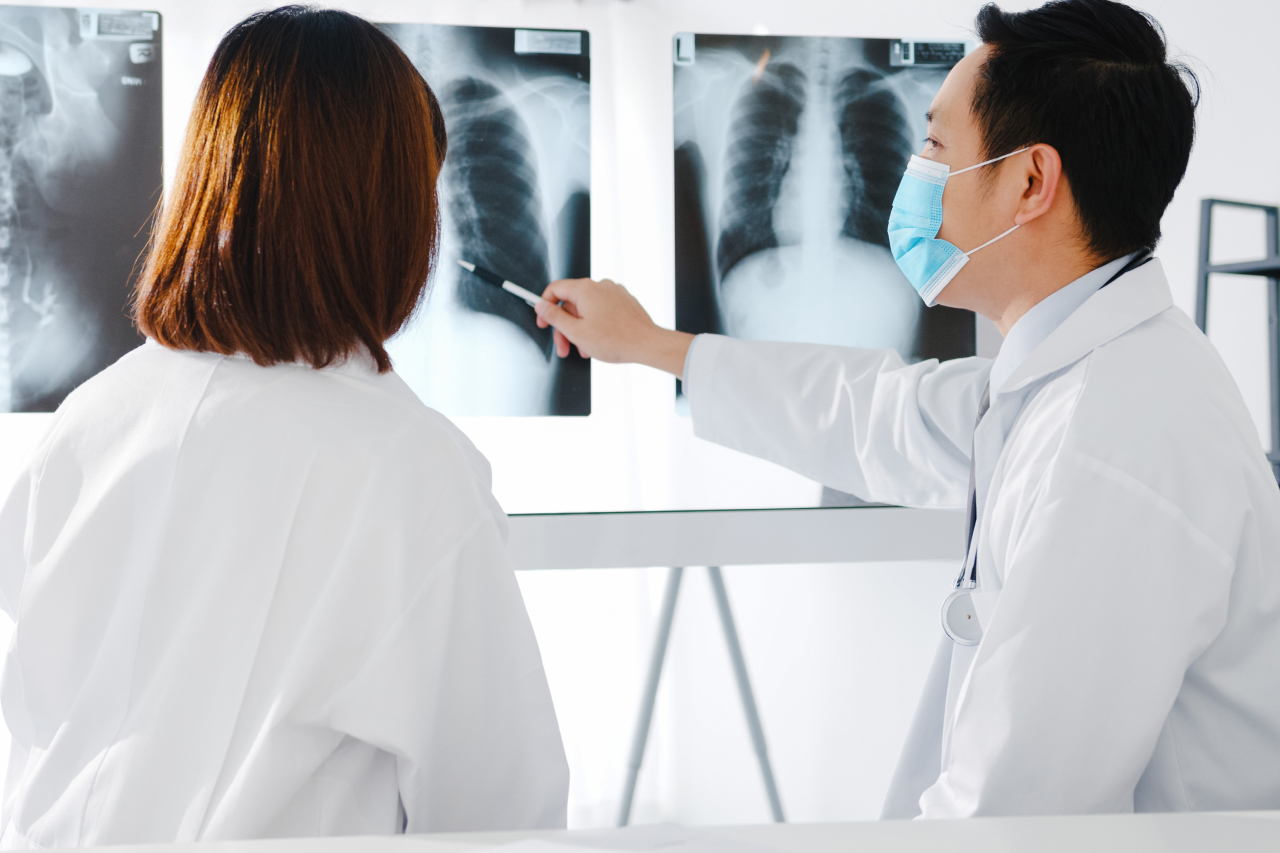
X-ray (Digital Radiography)

  • Routine digital X-ray for common indications (chest, bones, spine, head and other areas).
  • Contrast X-ray studies for the digestive tract (esophagus, stomach, intestines), urinary tract, and bladder.
  • Mammography for comprehensive breast imaging and screening.
 

Ultrasound

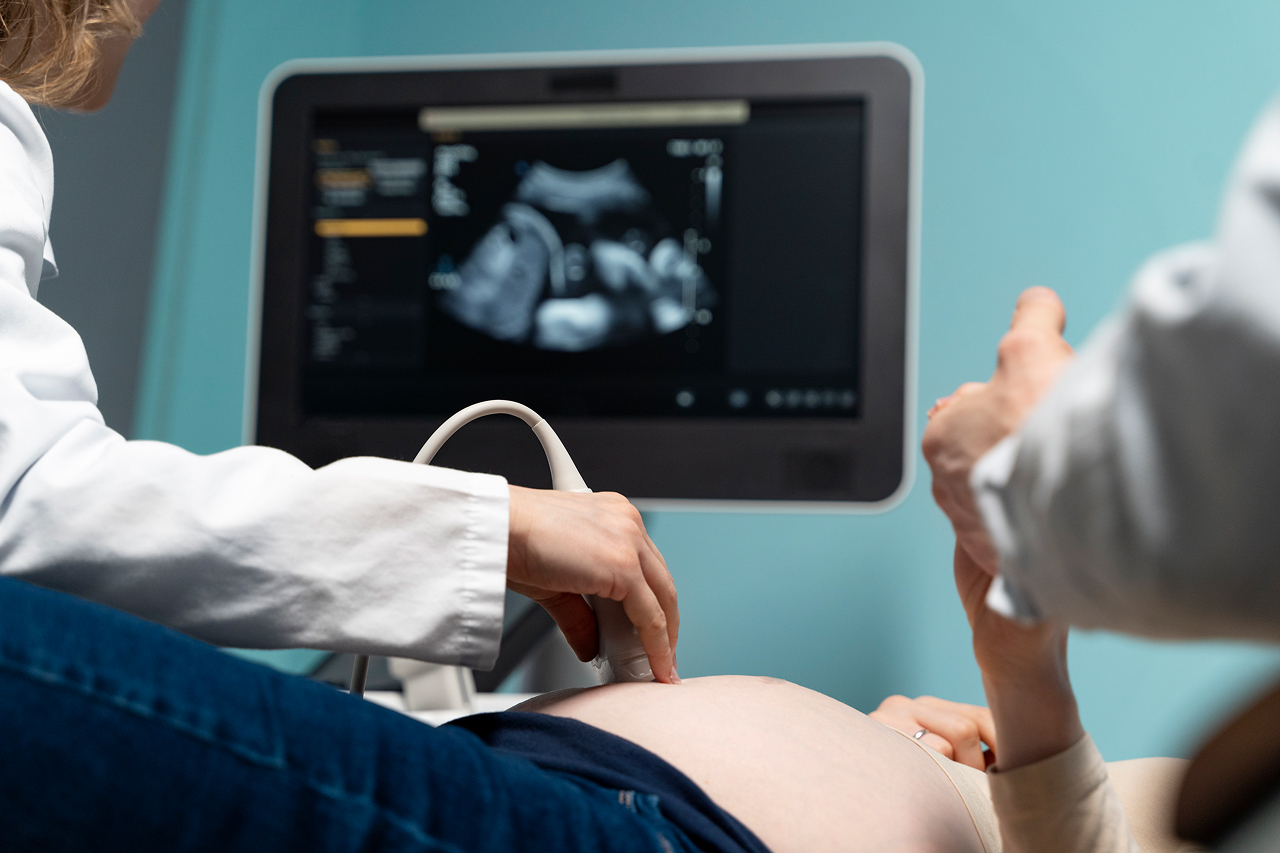
  • Full-body ultrasound imaging covering abdomen, pelvis, liver, gallbladder, pancreas, spleen, kidneys, urinary tract, prostate, thyroid, breast, parotid glands, scrotum/testes, uterus, ovaries, musculoskeletal system (joints, muscles, soft tissue), and lymph nodes.
  • Obstetric ultrasound including detailed 3D/4D fetal scans and advanced pre-natal screening.
  • Vascular and cardiac ultrasound: Color Doppler of arteries and veins, echocardiography, and advanced techniques such as 2D speckle-tracking for myocardial assessment.
  • Elastography and specialized ultrasound for tissue stiffness (liver, breast, thyroid, etc.).
  • Transcranial, pediatric, and neonatal cranial ultrasound.
 

CT Scan (Computed Tomography)

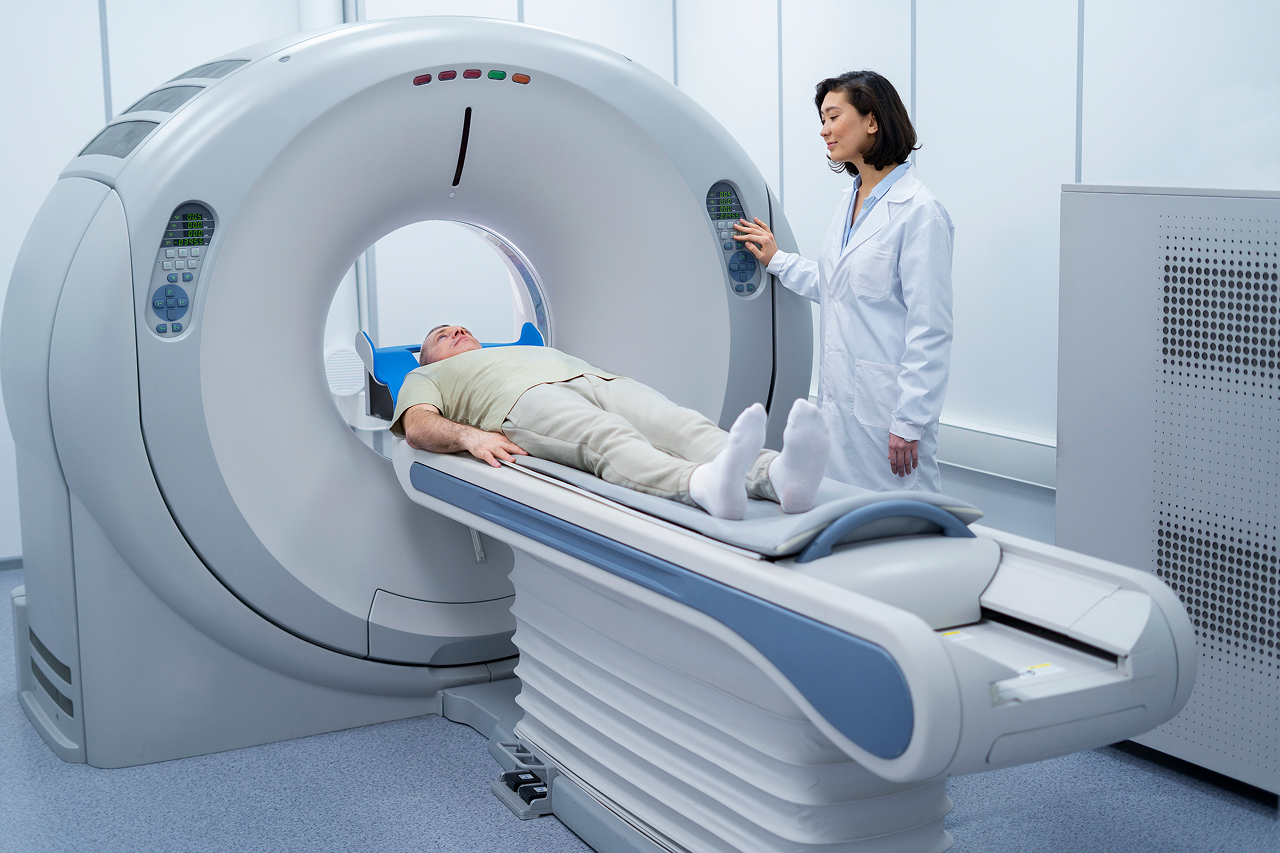
  • CT imaging with or without contrast for the brain, sinuses, lungs, chest, abdomen, pelvis, urinary system, musculoskeletal system, and spine.
  • Coronary MSCT (Coronary CT Angiography – CCTA) for non-invasive evaluation of the coronary arteries.
  • Whole-body CT scans for cancer screening or comprehensive assessment as needed.
 

MRI (Magnetic Resonance Imaging)

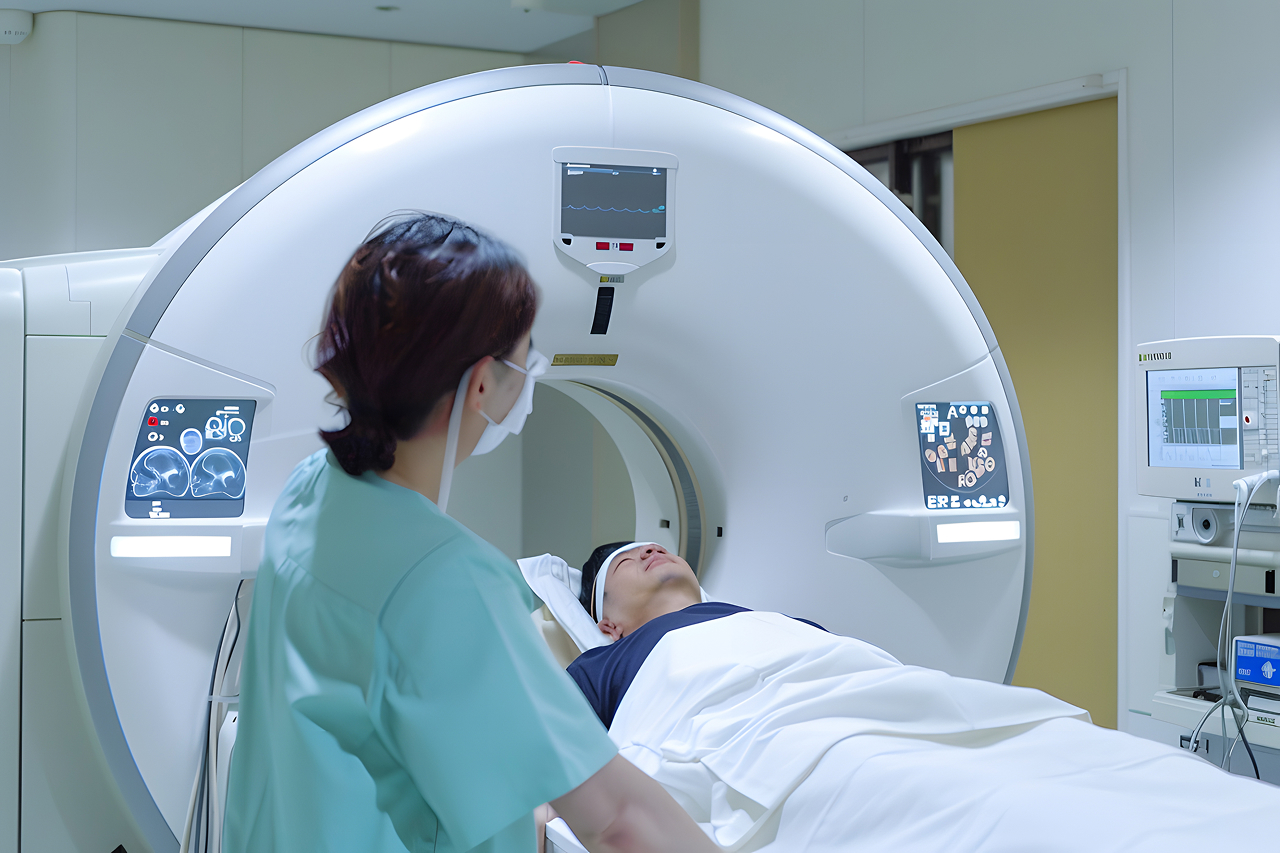
  • MRI with or without contrast for the brain, head and neck, spine, joints (knee, shoulder, hip, etc.), musculoskeletal system, abdomen, and pelvis.
  • Whole-body MRI for cancer screening, metastasis assessment, or evaluation of complex/multi-site disease.
 

When do you need imaging tests?

Persistent or unexplained symptoms

After an injury or accident

Monitoring known medical conditions

Health screening and early detection

Pre‑treatment planning and follow‑up

Make an Appointment

At Columbia Asia, we are determined to provide our patients with excellence in healthcare services.

Full Name(Required)
ID / Passport(Required)
DD slash MM slash YYYY
(Required)

Find Answers To Your Questions

Don’t have any questions? Feel free to schedule an appointment with our team.

What is the Radiology / Diagnostic Imaging Department?

It is the department that uses imaging technologies such as X‑ray, ultrasound, CT scan and MRI to help doctors see inside the body, confirm a diagnosis, plan treatment and monitor progress.

Is medical imaging safe?

Medical imaging at the hospital is carried out under strict safety protocols, with X‑ray and CT using radiation doses that are tightly controlled and kept within the safe limits approved by health authorities, while ultrasound and MRI do not use ionising radiation at all.

Do I need to prepare before my scan?

Preparation depends on the type of test. Some scans may require fasting, drinking water, or avoiding certain medications. You will receive clear instructions in advance from the hospital or your doctor.

What is the difference between X‑ray, ultrasound, CT and MRI?

X‑ray and CT both use X‑rays (ionising radiation) to create images; X‑ray gives quick 2D views, mainly of bones and lungs, while CT combines many X‑ray images to produce detailed cross‑sectional views of internal structures. Ultrasound uses high‑frequency sound waves instead of radiation to show real‑time images of organs, vessels and pregnancy. MRI uses a strong magnetic field and radio waves, with no radiation, to generate highly detailed images of the brain, spine, joints and soft tissues.

How long does an imaging scan take?

Most X‑rays and ultrasounds take only a few minutes, while CT scans usually take under 30 minutes. MRI examinations can take longer, typically 20–45 minutes depending on the body part being scanned.

Will my imaging test be painful or uncomfortable?

Most imaging tests are painless. You may need to lie still on a table or hold your breath briefly. Some exams use contrast agents injected into a vein or taken by mouth, which may cause a temporary warm feeling or unusual taste.

Can pregnant women have imaging tests?

Ultrasound and MRI (in most cases) are considered safe during pregnancy. X‑ray and CT are used only when clearly necessary and with special precautions. Always inform your doctor and the imaging staff if you are or might be pregnant.

Why do I sometimes need contrast for CT or MRI?

Contrast agents help highlight blood vessels, organs or abnormal areas so they can be seen more clearly. Your doctor and radiology team will check your medical history and kidney function before using contrast.

Who cannot have an MRI scan?

MRI is not suitable for some people with certain metal or electronic implants, such as some pacemakers, older aneurysm clips, cochlear implants or metal fragments in the body. You will be asked detailed safety questions before the scan, and you must always inform the staff about any implants, previous surgery or metal objects you may have.

Patient and Visitor Guide

Health Articles

View All

The Nearest Emergency Contact

Klang

Other emergency contacts

View now
Klang

Select Your Preferred Hospital