
Urology
in Columbia Asia Hospital
Urology is the branch of surgery specializing in diseases and disorders of the human urinary tract, kidneys and the male reproductive organs.
Urology care at Columbia Asia Hospital Binh Duong is designed to help patients feel more comfortable, confident and in control when facing problems of the urinary tract, kidney stones and male reproductive health. Instead of only treating symptoms, the team focuses on early diagnosis, discreet counselling and personalised treatment plans, so that issues like urinary discomfort, recurrent infections, kidney or ureteric stones, and men’s health concerns can be addressed promptly and effectively.
With access to modern diagnostic tools and minimally invasive procedures, our urology specialists aim to reduce pain, shorten recovery time and protect long‑term kidney and bladder function. Whether you are dealing with kidney stones, difficulty passing urine, fertility or sexual health issues, or simply seeking expert advice, the department offers professional, respectful care tailored to your stage of life and lifestyle needs.
Our Services & Facilities
Our Urology department provides services to treat conditions such as:
Services & Facilities
stones, kidney diseases
structural abnormalities
Urinary problems
- Urinary tract infections (UTIs)
- Pain or burning when passing urine
- Frequent urination, urgency, difficulty passing urine
- Hematuria (blood in the urine)
- Urinary incontinence (leakage of urine)
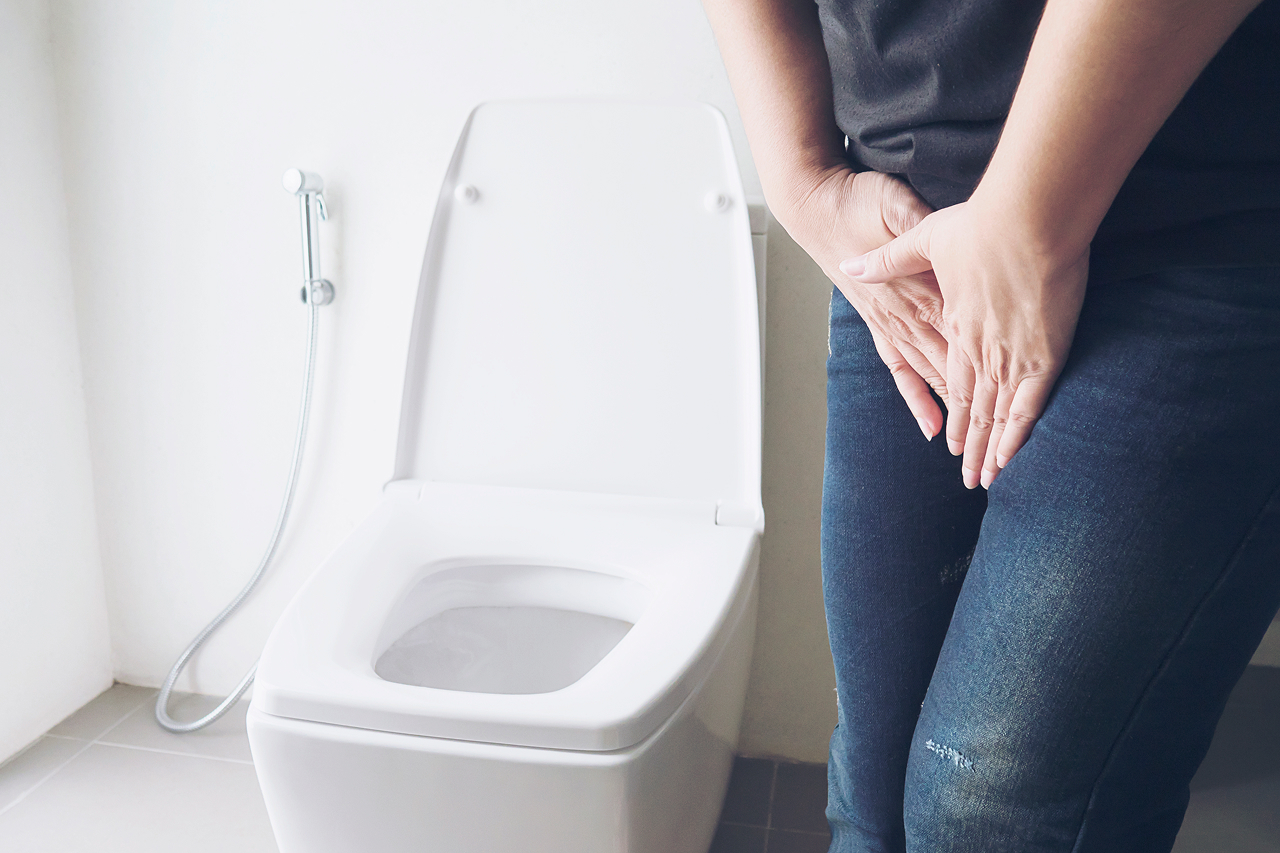
Men’s health and fertility
- Male infertility
- Erectile dysfunction and ejaculatory disorders
- Vasectomy (male sterilisation)

Prostate conditions
- Benign prostatic hyperplasia (BPH)
- Non‑cancerous enlargement of the prostate gland

stones, kidney diseases
Kidney and urinary stones, kidney diseases
- Kidney stones and ureteric stones (including laser stone fragmentation)
- Other kidney conditions such as renal cysts

structural abnormalities
Congenital and structural abnormalities
- Undescended testes (cryptorchidism)
- Other congenital abnormalities of the urinary and male reproductive system

What are the Warning Symptoms?

Frequent or urgent urination

Painful or burning urination

Cloudy or foul-smelling urine

Sudden changes in urine color

Blood in urine or hematuria
Meet Our Specialists
View All
Health Packages
Elevate your health with tailored health packages at Columbia Asia Hospital. Take charge of your health journey today.
Make an Appointment
At Columbia Asia, we are determined to provide our patients with excellence in healthcare services.
Find Answers To Your Questions
Don’t have any questions? Feel free to schedule an appointment with our team.
Typical symptoms include sharp flank or back pain that may come in waves, pain spreading to the lower abdomen or groin, blood in the urine, frequent or painful urination, or nausea and vomiting; if you experience these symptoms, you should see a doctor or urologist for evaluation and imaging tests.
Depending on the size, location and number of stones, treatment may include medication, increased fluid intake, minimally invasive techniques such as laser fragmentation of ureteric stones, or other procedures recommended by the urologist to relieve pain and prevent complications.
Retrograde laser lithotripsy is a minimally invasive procedure in which the urologist passes a thin endoscope through the urethra and bladder up into the ureter or kidney, then uses laser energy to break the stone into small fragments that can be removed or pass out naturally with the urine.
This technique is usually recommended for stones that are too large, too hard or poorly positioned to pass on their own, or when other treatments such as medication or shock‑wave therapy are unlikely to be effective or have failed.
Most patients undergo the procedure under general or spinal anaesthesia, so they do not feel pain during treatment, and the procedure time is usually around 30–60 minutes depending on the size and number of stones.
BPH is a non‑cancerous enlargement of the prostate gland that can cause symptoms such as weak urine stream, frequent night‑time urination, difficulty starting to pass urine, or the feeling of incomplete emptying; if these symptoms affect your daily life or sleep, you should see a urologist for assessment and treatment options.
Yes. Urologists can assess the causes of male infertility, reduced sperm quality, erectile dysfunction and problems with ejaculation, and offer a range of medical, procedural and counselling options.
A vasectomy is a minor surgical procedure that cuts or seals the tubes carrying sperm, providing long‑term contraception for men; it is considered a permanent method, so it is important that you and your partner are sure your family is complete before having the procedure.
Many urology procedures today are minimally invasive and performed with anaesthesia or sedation to keep you comfortable, and recovery is usually faster than with traditional open surgery; your doctor will explain what to expect, including any temporary discomfort and how quickly you can return to normal activities.
Yes. Urologists treat urinary problems in both men and women, and also manage conditions in children such as urinary tract infections, bed‑wetting, congenital abnormalities of the kidneys, bladder or testes, and other paediatric urology issues.

