Skip to content

Orthopedic & Trauma Surgery

Orthopedic & Trauma Surgery
in Columbia Asia Hospital

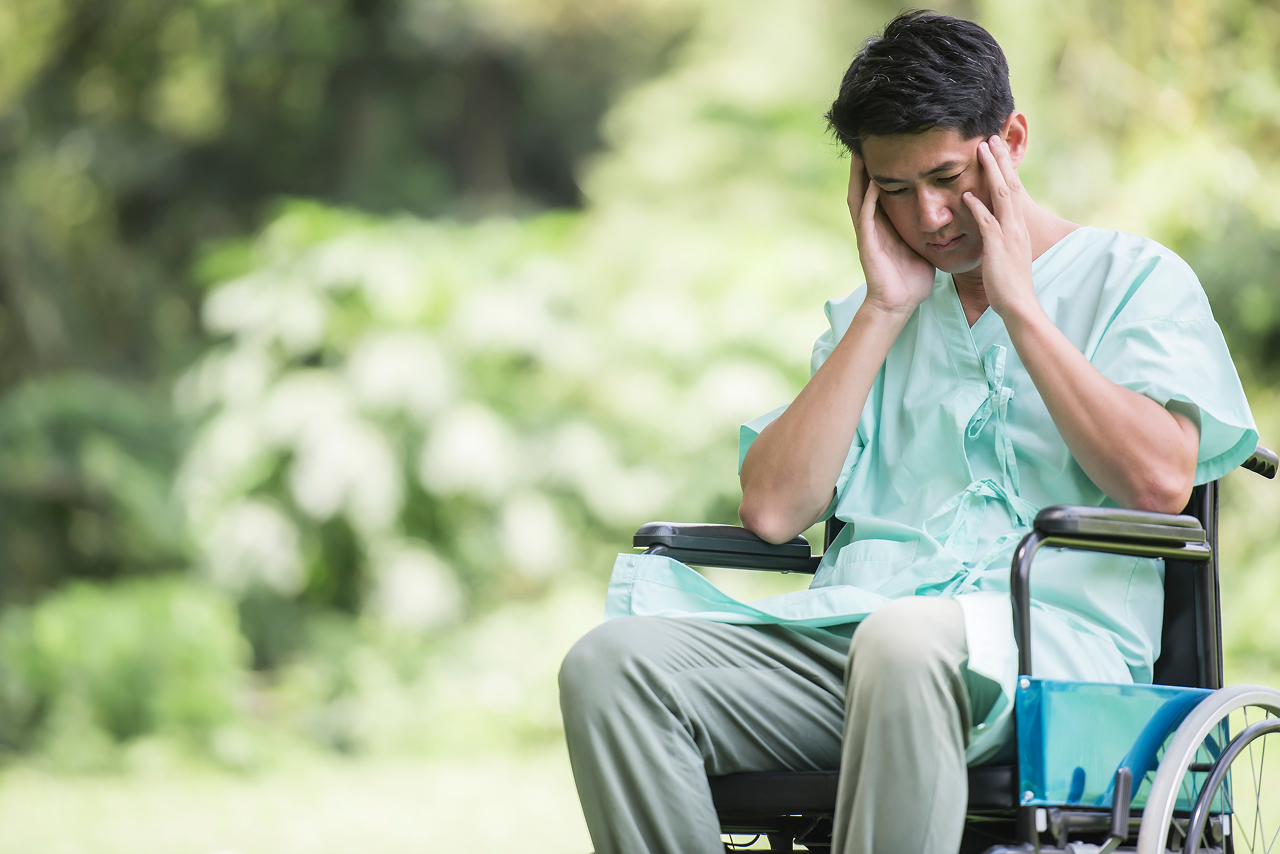
Lifting your arm or taking a step up the stairs may not sound as spectacular as skydiving or spinning, but when you are facing health complications that affect your daily functions, you realise how precious it is to be able to move at all. Being mobile enriches your quality of life.

Lifting your arm or taking a step up the stairs may not sound as spectacular as skydiving or spinning, but when you are facing health complications that affect your daily functions, you realise how precious it is to be able to move at all. Being mobile enriches your quality of life.

Advanced orthopedic care at Columbia Asia Hospital Binh Duong is designed to help you move with less pain and more confidence, whether you are dealing with a recent injury or a long‑standing problem in your bones, joints, muscles, ligaments, or tendons. Our Orthopedics specialists provide comprehensive diagnosis, treatment, and rehabilitation, so pain no longer has to limit your daily activities or hold you back from the things you enjoy.

From conservative therapies and pain management to advanced surgical solutions, our specialists tailor care to each patient’s needs, including procedures such as total knee replacement for severe arthritis or joint damage, using modern techniques and technology to support better alignment, smoother recovery, and durable results. Every step of your journey is supported by experienced rehabilitation professionals who work alongside the surgeons to help you regain strength, stability, and mobility safely and effectively after treatment.

Beyond joint replacement, we care for a wide spectrum of orthopedic conditions, including back and neck pain, sports injuries, fractures, torn tendons, and degenerative joint problems, as well as issues affecting the cartilage, ligaments, and supporting structures around the joints. With a focus on preserving joint function, reducing inflammation, and preventing further deterioration, our goal is to help you maintain an active lifestyle and return to work, family life, and hobbies feeling more like yourself again.

Our Services & Facilities

The orthopedic team at Columbia Asia Hospital Binh Duong provides expert care for both major and minor trauma, from fractures and joint injuries to soft‑tissue damage. Supported by a comprehensive rehabilitation department, our specialists focus on restoring mobility, strength, and function so patients can safely return to their daily activities.

Services & Facilities

Advance Trauma

Arthroplasty / Sports Injury

  • Rotator cuff tendon tears
  • Impingement syndrome
  • Recurrent dislocation of shoulders
  • Meniscal (cartilage) tears
  • Chondromalacia (the wearing off or injury of the cartilage cushion)
  • Anterior Cruciate Ligament (ACL) tears which can cause permanent instability in the knee if left untreated
  • Meniscal repair
  • ACL & PCL repair
  • Rotator cuff surgery and many more

Medical and Surgical treatment

  • Joint replacement surgeries of the hip, knee and shoulder joints
  • Arthroscopic surgeries of various joints
  • Ligament injuries and sports injuries
  • Limb reconstruction, micro-vascular and hand surgery
  • Ilizarov ring fixator treatment
  • Correction of deformities of upper and lower limbs

Foot & Ankle Surgery

  • Trauma related to the foot & ankle
  • Reconstruction of deformity
  • Revision surgery
  • Treatment of arthritis
  • Cartilage damage
  • Degenerative and post-traumatic Arthritis
  • Diabetic Foot
  • Flatfoot
  • Forefoot conditions (e.g. Hallux Valgus and lesser toe disorders)
  • Fractures
  • Gout
  • Ligament injuries
  • Osteochondral injuries
  • Plantar Fasciitis
  • Sprains
  • Tendonitis

Hand & Microsurgery

  • Traumatic injuries including fractures, tendon injuries, digit amputation, nerve lacerations and blood vessel lacerations
  • Congenital abnormalities such as webbed fingers and extra digits on the hand
  • Sports injuries such as Tennis Elbow and Golfer’s Elbow
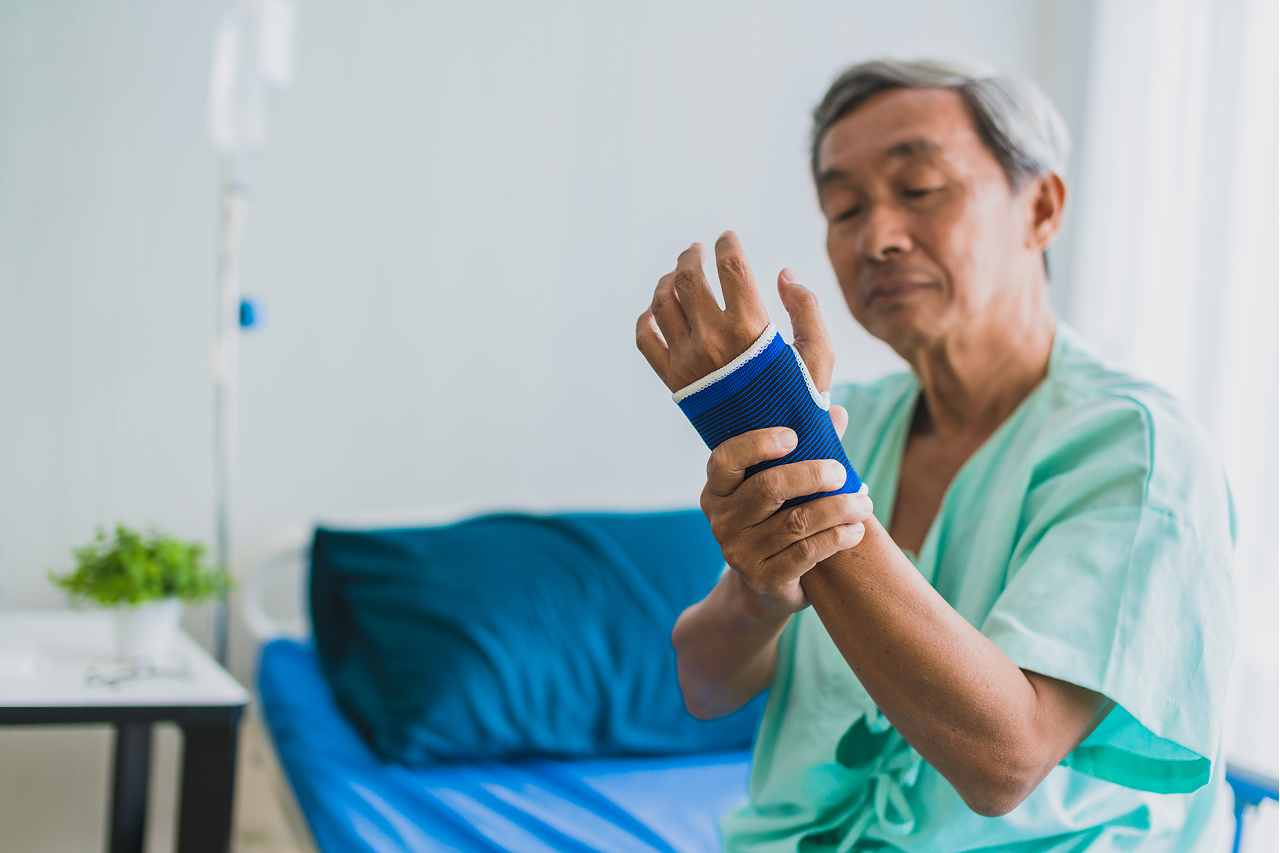
  • Workplace and overuse injuries, including Carpal Tunnel Syndrome, trigger finger and DeQuervain’s Tenosynovitis
  • Arthritis-related deformities such as osteoarthritis and rheumatoid arthritis
  • Tumors in the bone & soft tissues

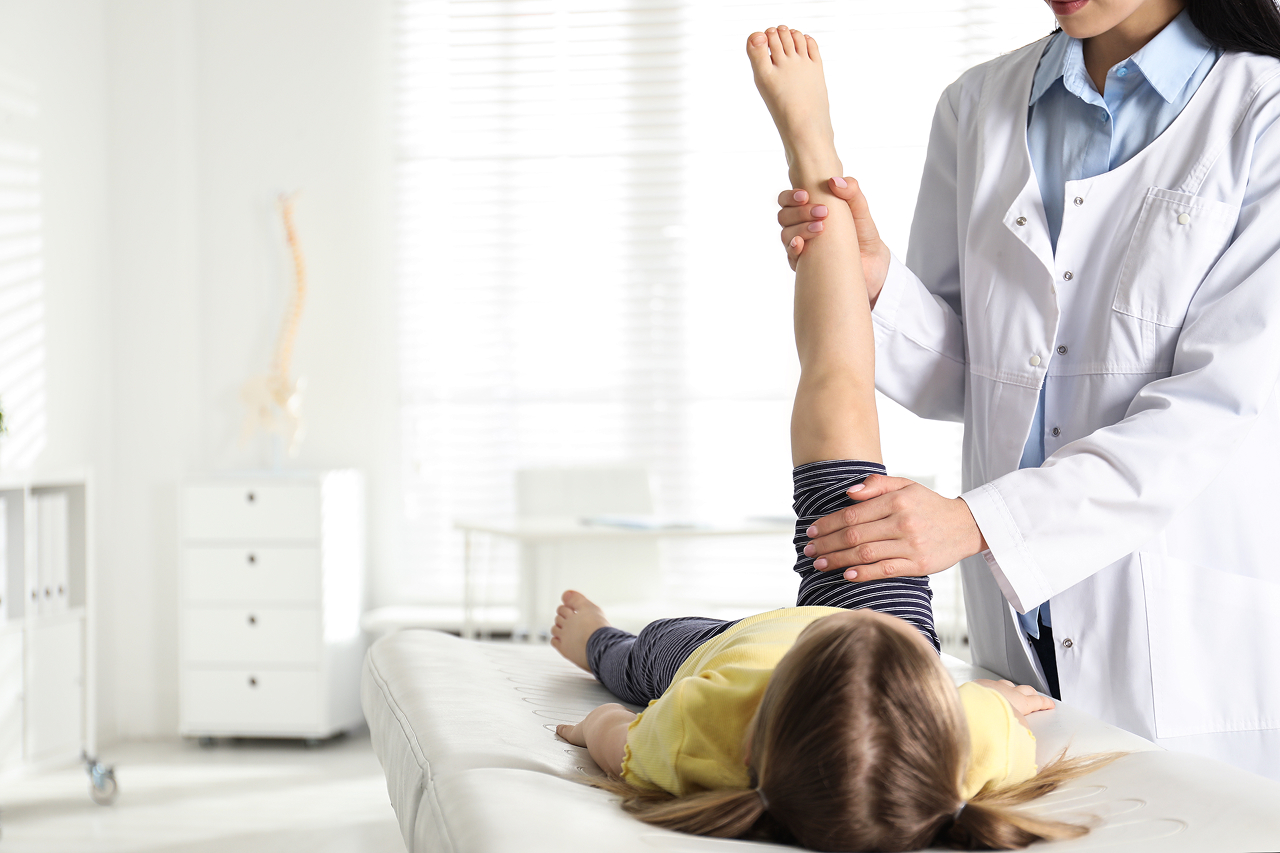
Pediatric Orthopedic

  • Limb and spine deformities noted at birth or later in life (clubfoot, scoliosis, limb length differences)
  • Gait abnormalities (limping)
  • Fractured bones

Spine Surgery

  • Bulging or herniated discs
  • Vertebral fractures
  • Bone spurs
  • Spinal stenosis (narrowing of the spinal canal)
What are the Warning Symptoms?​

You have difficulty performing daily functions

You suffer from chronic pain

Your range of motion feels limited

You feel unstable when walking or standing

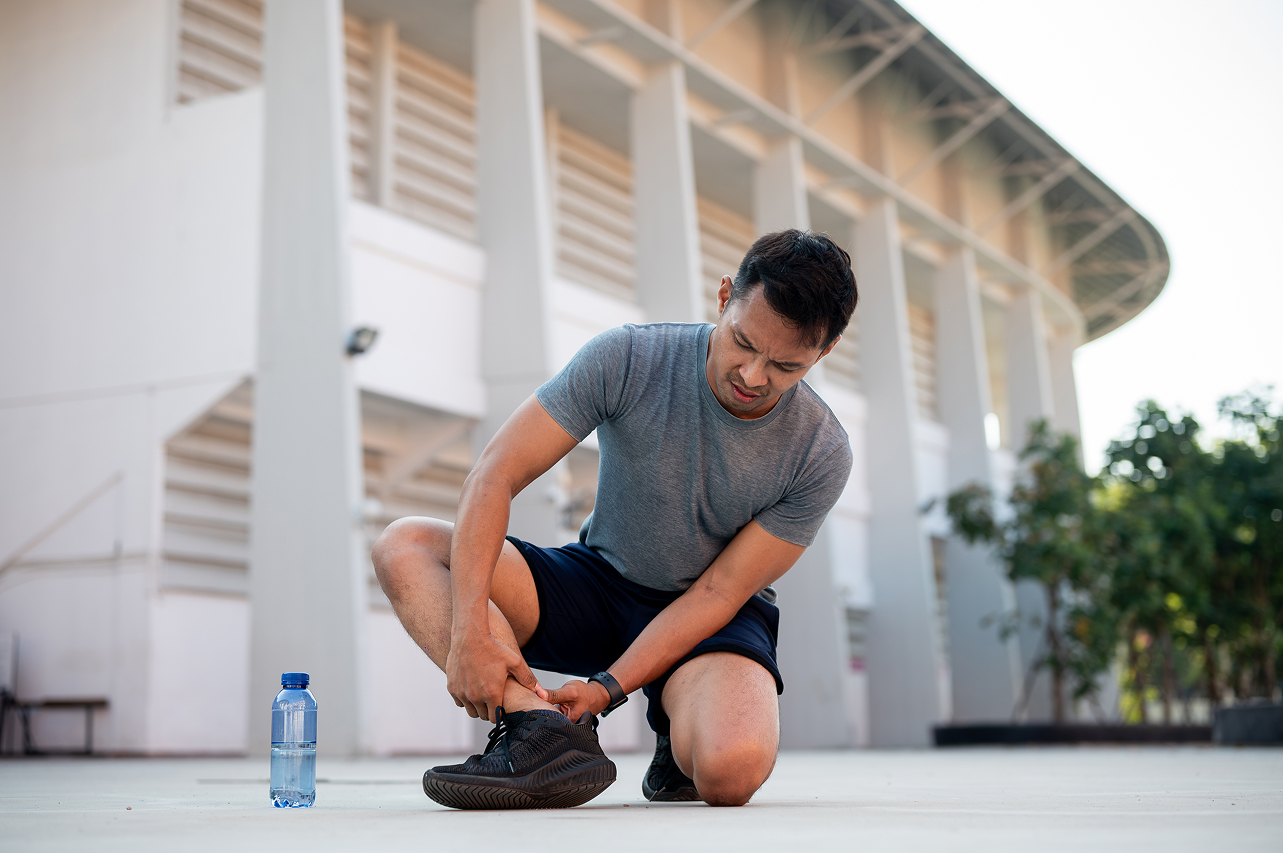
You have suffered a soft tissue injury that has not improved in two days

Make an Appointment

At Columbia Asia, we are determined to provide our patients with excellence in healthcare services.

Full Name(Required)
ID / Passport(Required)
DD slash MM slash YYYY
(Required)

Find Answers To Your Questions

Don’t have any questions? Feel free to schedule an appointment with our team.

What conditions does the Orthopedics department treat?

Our orthopedic specialists diagnose and treat problems involving the bones, joints, muscles, ligaments, and tendons, including arthritis, back and neck pain, sports injuries, fractures, tendon or ligament tears, and degenerative joint disease.

When should I see an orthopedic specialist?

You should consider an orthopedic visit if you have joint or bone pain that lasts more than a few weeks, pain that limits daily activities, swelling, stiffness, difficulty walking, pain after an injury, or if previous treatments are no longer working.

What should I expect when I go for an orthopedic appointment?

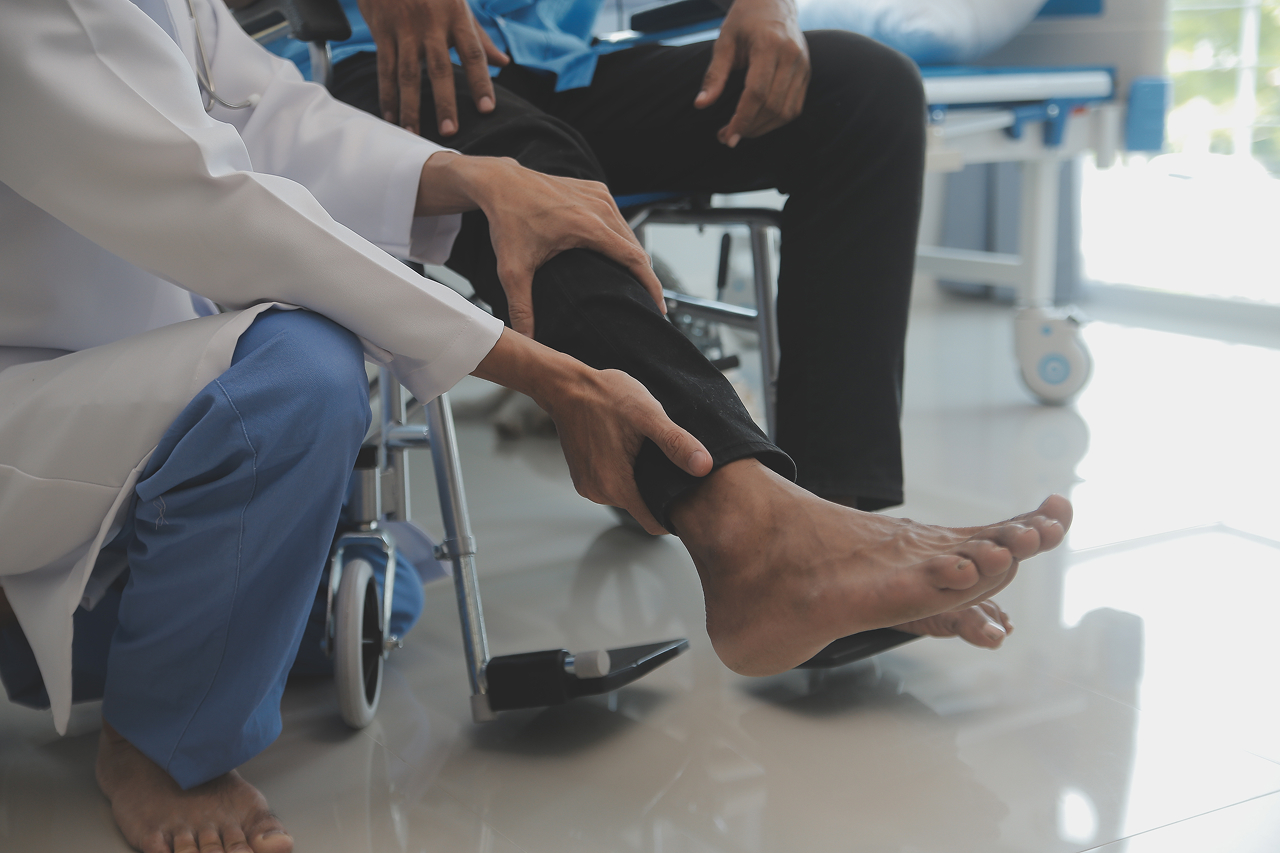
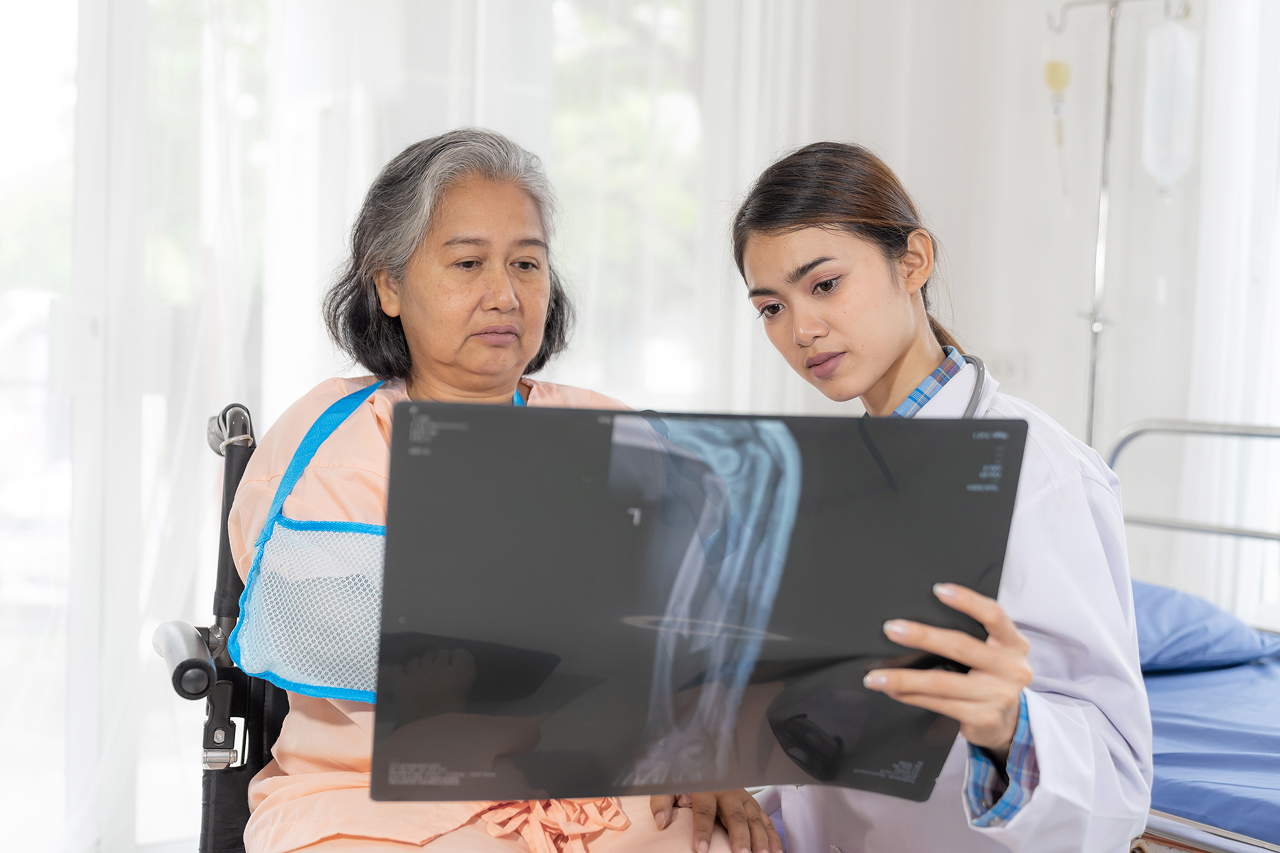
The first orthopedic appointment typically involves an evaluation of your medical history. You can also expect physical tests and diagnostic examinations to examine your injury or condition. The orthopedic surgeon can assess anything from swelling to your range of motion, to reflexes, or even the condition of your skin. The doctor might order an X-ray, ultrasound or/and Magnetic Resonance Imaging (MRI) scan if further investigation is required.

Do all orthopedic problems require surgery?

No. Many conditions are treated first with non‑surgical options such as medication, physical therapy, activity modification, braces, and injections. Surgery is usually considered only when these measures do not provide enough relief or when the injury is severe.

What is a total knee replacement and who needs it?

Total knee replacement is a surgical procedure that replaces damaged joint surfaces with artificial components to relieve pain and improve movement. It is typically recommended for patients with severe knee arthritis or joint damage who still have significant pain and disability despite conservative treatment.

How long does it take to recover from orthopedic surgery?
Recovery time depends on the type of surgery, your overall health, and how closely you follow rehabilitation advice. Some procedures allow a return to light activities in a few weeks, while joint replacements and major surgeries may require several months of structured rehab to regain strength and mobility.
What is the role of physiotherapy in orthopedic care?
Physiotherapy helps reduce pain and stiffness, restore movement, and strengthen muscles around the joints or spine. It is often part of both non‑surgical treatment and post‑operative recovery to help you return safely to daily activities, work, and sports.
What can I do to prevent joint and bone problems?
Maintaining a healthy weight, exercising regularly, strengthening core and supporting muscles, using proper technique in sports, avoiding smoking, and treating injuries early all help protect your joints and bones over the long term.
Do you offer pain management treatments?
Yes, we help patients in managing their pain through medications. Our team of physiotherapists also assist patients in managing their pain and getting them back to normal life through rehabilitation
What qualifies pain as chronic?
Chronic pain is generally thought of as pain that exists for three months or more, and does not resolve in response to treatment. It most often affects the musculoskeletal system, such as bones or joints, and can cause pain and discomfort that can affect daily activities.

Patient and Visitor Guide

Health Articles

View All

The Nearest Emergency Contact

Klang

Other emergency contacts

View now
Klang

Select Your Preferred Hospital